The Future of Work in an AI-Driven World: Will Humans and Robots Coexist?
Outline of the Article
H1: The Future of Work in an AI-Driven World: Will Humans and Robots Coexist?
- H2: Introduction
- H3: The AI Revolution in the Workplace
- H3: Why This Topic Matters Now
- H2: Understanding AI and Automation
- H3: What is AI and How Does It Work?
- H3: Types of Jobs AI Can Replace
- H3: Tasks AI Struggles With
- H2: The Evolution of Work
- H3: From the Industrial Age to the AI Age
- H3: Historical Parallels in Technological Shifts
- H2: AI in Today’s Work Environment
- H3: Real-World Examples of AI at Work
- H3: Benefits for Employers and Employees
- H3: Challenges and Pitfalls
- H2: Will Humans and Robots Coexist Peacefully?
- H3: Complementary Roles of AI and Humans
- H3: Collaboration over Competition
- H2: Jobs Most at Risk
- H3: Sectors Facing Rapid Automation
- H3: How to Adapt if You’re in These Fields
- H2: Jobs That Will Thrive in the AI Era
- H3: Human-Centric Roles That AI Can’t Replace
- H3: New Careers Emerging from AI Growth
- H2: The Rise of Hybrid Jobs
- H3: What Are Hybrid Roles?
- H3: Skills Needed to Succeed in Hybrid Jobs
- H2: How to Future-Proof Your Career
- H3: Emphasize Soft Skills
- H3: Lifelong Learning and Upskilling
- H3: Building AI Literacy
- H2: The Role of Education and Policy
- H3: Reskilling Programs
- H3: Government and Industry Initiatives
- H2: Ethical Considerations
- H3: Job Displacement and Inequality
- H3: Ensuring Fairness in AI Algorithms
- H2: A Glimpse into the Future
- H3: What Workplaces Might Look Like in 2035
- H3: AI-Powered Remote Work and Virtual Offices
- H2: Can Creativity and Empathy Be Automated?
- H3: The Limitations of Machine Intelligence
- H3: Why Human Touch Still Matters
- H2: Personal Stories and Predictions
- H3: How Professionals Are Preparing
- H3: Predictions from Thought Leaders
- H2: Conclusion
- H2: FAQs
- H3: Will AI completely replace humans?
- H3: What careers are safe from automation?
- H3: How can I prepare for an AI-driven workplace?
- H3: Are hybrid jobs the future?
- H3: Will creative jobs survive AI?
The Future of Work in an AI-Driven World: Will Humans and Robots Coexist?
Introduction
The Workplace Revolution of AI
Imagine walking into your office and being greeted by a robot assistant that already knows your tasks for the day. Sounds like sci-fi? Not anymore. Artificial Intelligence (AI) is already transforming workplaces worldwide, changing how we work, communicate, and create value.
Why This Topic Matters Now
AI isn’t coming—it’s here. As technologies like machine learning, robotics, and natural language processing become mainstream, the question is no longer “if” but “how” AI will change our jobs. Will it complement us or will it take our place?
Understanding AI and Automation
What is AI and How Does It Work?
At its core, AI is all about machines performing tasks that typically require human intelligence. From understanding speech to making decisions and recognizing images—AI mimics human abilities using algorithms and massive data sets.
Types of Jobs AI Can Replace
Routine and repetitive tasks are the easiest targets. Think data entry, basic customer service, or even certain legal and accounting functions. These jobs rely heavily on patterns—something AI is incredibly good at recognizing and acting on.
Tasks AI Struggles With
AI is powerful, but it’s not a magician. It still struggles with tasks that require human emotions, complex reasoning, ethical decision-making, and creativity. You won’t see an AI replacing a therapist, artist, or kindergarten teacher just yet.
The Evolution of Work
The Age of Industry and Artificial Intelligence
We’ve seen it before—machines taking over manual labor in the industrial era, computers revolutionizing offices in the digital age. AI is now spearheading the next major advancement.
Historical Parallels in Technological Shifts
Each tech leap brought fear of job loss—but it also created entirely new sectors and roles. The key? Adaptation. Just as typists transitioned into office managers, today’s workers can pivot into AI-friendly roles.
AI in Today’s Work Environment
Real-World Examples of AI at Work
Companies like Amazon use AI for logistics, customer recommendations, and warehouse automation. Medical experts are using AI to diagnose diseases more quickly. Even journalism is seeing AI-written articles!
Benefits for Employers and Employees
AI boosts productivity, cuts down costs, and opens the door for innovation. For employees, it can eliminate boring tasks and give more time for creative and strategic work.
Challenges and Pitfalls
On the flip side, rapid adoption can lead to job displacement, ethical concerns, and growing inequality if proper safeguards aren’t in place.
Will Humans and Robots Coexist Peacefully?
The complementary roles that humans and AI play
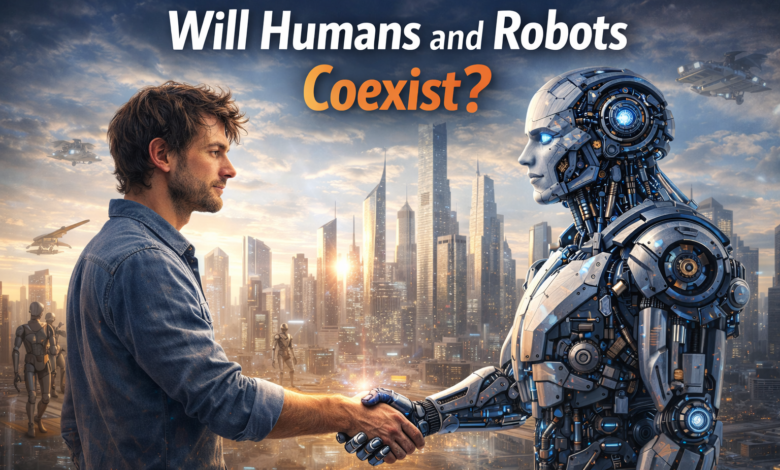
Humans bring creativity, emotional intelligence, and moral judgment. AI offers speed, accuracy, and scalability. Together? A dream team.
Collaboration over Competition
In the future, people will work alongside robots rather than against them. Think of AI as the ultimate teammate—one that never sleeps or gets tired.
Jobs Most at Risk
Sectors Facing Rapid Automation
Manufacturing, transportation (hello, self-driving trucks), and administrative jobs are most at risk. These roles are often task-oriented and can be easily programmed.
How to Adapt if You’re in These Fields
It’s not game over—far from it. Upskilling into roles that oversee, maintain, or collaborate with AI is the move. Embrace change, and it might just become your best career ally.
Careers That Will Succeed in the AI Age
Human-Centric Roles That AI Can’t Replace
Nurses, counselors, teachers, and artists—jobs that require empathy, personal interaction, and moral decision-making are safe for now.
New Careers Emerging from AI Growth
AI ethics officer, data annotator, prompt engineer, and human-AI interaction designer—yes, these are real jobs being created as we speak.
The Rise of Hybrid Jobs
What Are Hybrid Roles?
These roles blend human creativity with tech savvy—like marketing analysts using AI tools to read customer behavior or journalists using AI to generate outlines.
Skills Needed to Succeed in Hybrid Jobs
You’ll need a mix of soft skills (communication, leadership) and hard skills (data literacy, coding basics). And no, you don’t need to be a computer science major to get started.
How to Future-Proof Your Career
Emphasize Soft Skills
AI may be brilliant, but it can’t show empathy, build trust, or tell a heartfelt story. Soft skills are your secret weapon.
Lifelong Learning and Upskilling
The expression “learn once, work forever” is no longer relevant. Platforms like Coursera, Udemy, and LinkedIn Learning can keep you ahead of the curve.
Building AI Literacy
Even if you’re not in tech, understanding the basics of how AI works is crucial. It’s like digital literacy—but for the 2020s.
The Role of Education and Policy
Reskilling Programs
Governments and companies alike are launching training programs to help workers shift into AI-compatible roles. From coding bootcamps to online certifications—resources are growing.
Government and Industry Initiatives
Expect to see more public-private partnerships focusing on responsible AI deployment, especially in sectors like health, defense, and education.
Ethical Considerations
Job Displacement and Inequality
AI can widen the gap between those with tech skills and those without. That’s why inclusive education and policies are critical to avoid a divided workforce.
Ensuring Fairness in AI Algorithms
Bias in AI is real. If data sets are flawed, decisions can be too. Human oversight will remain essential in ensuring AI treats people fairly.
A Glimpse into the Future
What Workplaces Might Look Like in 2035
Picture smart offices, AI dashboards, robotic assistants, and
fully virtual meetings in immersive 3D environments. The traditional cubicle might ultimately become obsolete.
AI-Powered Remote Work and Virtual Offices
AI will optimize remote work—from scheduling meetings based on productivity cycles to creating virtual coworkers who brainstorm with you in real-time.
Can Creativity and Empathy Be Automated?
The Limitations of Machine Intelligence
AI can create art, but does it feel it? Machines can simulate conversation, but do they mean it? Not quite. Human depth still wins.
Why Human Touch Still Matters
Some things need a soul, like writing a novel or soothing a patient. Furthermore, AI lacks one, regardless of how sophisticated it is.
Personal Stories and Predictions
How Professionals Are Preparing
More and more professionals are learning AI tools not to replace themselves—but to enhance themselves. It’s not about becoming a coder; it’s about becoming adaptable.
Predictions from Thought Leaders
Elon Musk warns of AI’s risks. Satya Nadella believes in “AI with human collaboration.” The consensus? Humans and machines can coexist—but only with thoughtful design and policy.
Conclusion
Humans and robots are not going to compete in the workplace of the future. It’s about humans with robots. The path forward will be paved with collaboration, upskilling, adaptability, and empathy. AI is here to change your job, not to take it away. And if we play it right, it’s a future worth getting excited about.
FAQs
Will AI completely replace humans?
Nope! While AI will automate some tasks, it can’t replace human creativity, emotion, or moral judgment.
What careers are safe from automation?
Jobs requiring empathy, critical thinking, and human interaction—like healthcare, education, and the arts—are relatively safe.
How can I prepare for an AI-driven workplace?
Learn the fundamentals of AI, hone your soft skills, and maintain your curiosity. Upskilling is your best defense.
Are hybrid jobs the future?
Absolutely. These roles combine human insight with AI capabilities and are rapidly becoming the norm.
Will creative jobs survive AI?
Yes! While AI can assist in creative processes, it lacks true originality and emotional depth—two things only humans can bring.